



Kalap Village: Uttarakhand’s Remote Himalayan Hamlet Preserving Traditional Life.
- by
- Jan 29, 2026
Uttarkashi (Uttarakhand):
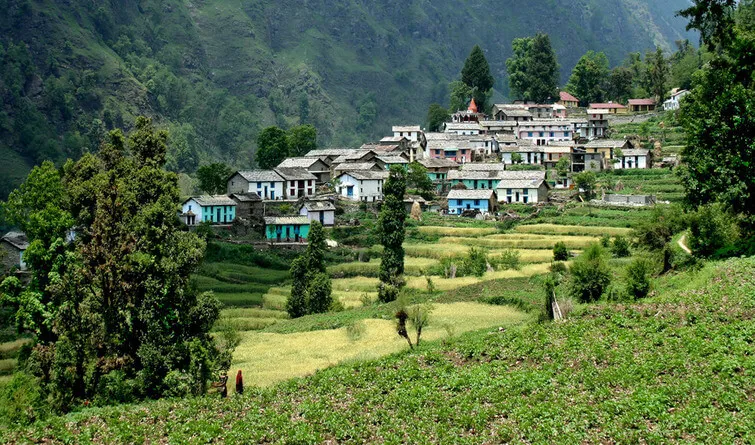
Hidden deep inside the Tons Valley of Uttarkashi district, Kalap village is emerging quietly as one of Uttarakhand’s least disturbed mountain settlements. Located at an altitude of around 6,500 feet, Kalap remains largely untouched by mass tourism, offering a rare glimpse into traditional Himalayan life.
With barely 20–25 households, Kalap is a small wooden hamlet surrounded by dense deodar forests, terraced farms, and snow-clad peaks. Unlike popular hill stations, the village has no commercial hotels, crowded markets, or entertainment zones. Visitors reach Kalap only after travelling to Sankri and completing an 11-kilometre trek or seasonal jeep journey, which has naturally limited footfall and preserved its quiet character.


Centuries-Old Architecture and Culture
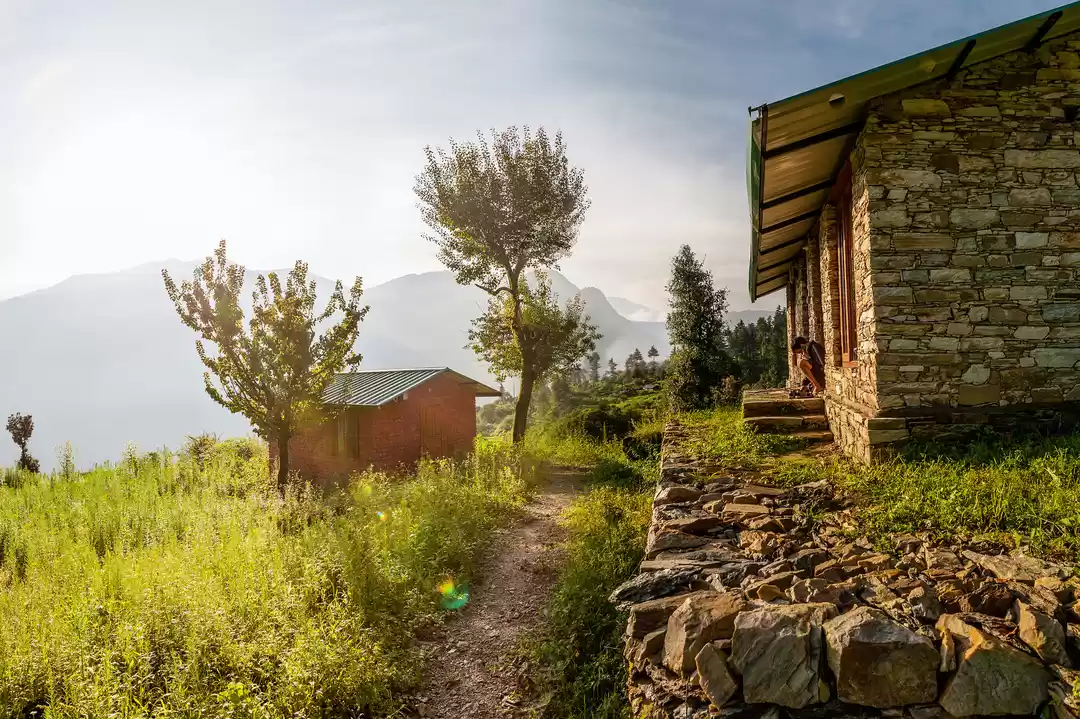
Kalap is known for its traditional Kath-Kuni style houses, built using stone and timber, some of which are believed to be several centuries old. These structures are still actively used by residents, reflecting a living heritage rather than museum preservation.
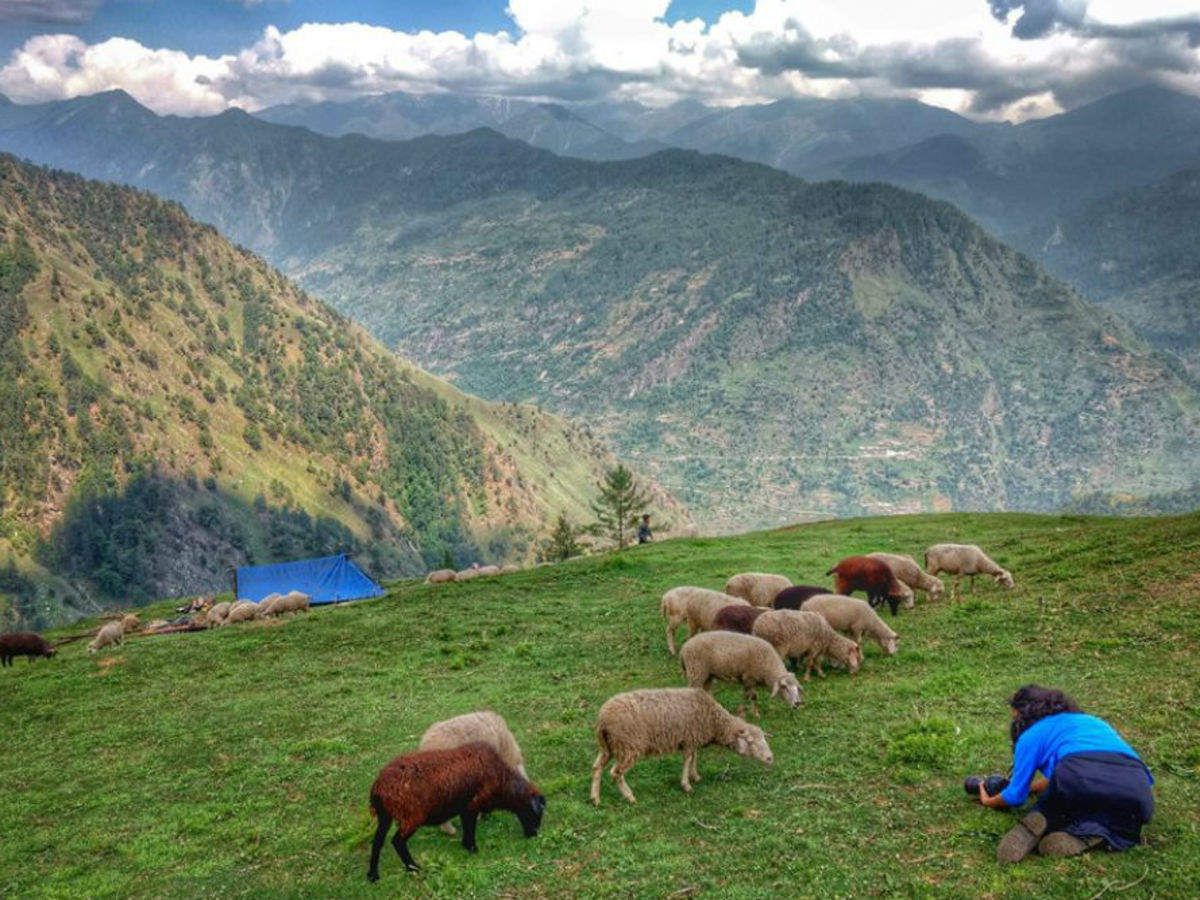
Agriculture remains the primary livelihood. Locals cultivate rajma, potatoes, millets, and seasonal vegetables, along with apple orchards. Daily life revolves around farming, livestock, and forest resources, while wool spinning and handicrafts continue as household practices.

Limited Connectivity, Simple Living
Mobile connectivity in Kalap is minimal, and internet access is largely unavailable. Electricity supply is limited, and accommodation is restricted to basic homestays and eco-lodges operated by villagers and local organisations. Meals typically consist of home-cooked regional food made from locally grown produce.
This lack of modern infrastructure has become Kalap’s defining feature, attracting travellers seeking digital detox, solitude, and authentic rural experiences rather than luxury tourism.
/english-betterindia/media/post_attachments/uploads/2016/07/kalap9.jpg)

Best Season and Travel Advisory
The ideal time to visit Kalap is between April and June, and again from September to November, when weather conditions are stable and mountain views are clear. Winters often bring heavy snowfall, making access difficult, while monsoon months pose landslide risks.
Travellers are advised to carry essential supplies, warm clothing, basic medicines, and power backups, as there are no commercial shops in the village.
A Model of Low-Impact Tourism
Kalap represents a growing interest in low-impact, community-based tourism in Uttarakhand. By maintaining limited accessibility and prioritising local participation, the village has avoided the environmental strain seen in many Himalayan destinations.
Rather than positioning itself as a mainstream tourist hub, Kalap continues to function primarily as a living village — offering visitors an opportunity to experience slow mountain life while preserving its cultural and ecological balance.


संबंधित पोस्ट
वेबसाइट पोल
विशेष:



आम्हाला फॉलो करा


सब्सक्राइब करा न्यूज़लेटर
SUBSCRIBE US TO GET NEWS IN MAILBOX
फोटो गैलरी



वेअथेर रिपोर्ट
लाइव क्रिकेट स्कोर
शेअर मार्केट
© 2026 The Global Times | Powered By by Sysmarche Infotech
रिपोर्टर
As a Director at The Global Times, my journey continues to be one of growth, purpose, and constant learning.
Tejal Manali Tushar KhanvilkarWith an M.Sc. foundation, I believe that education shapes the mind — but it’s vision, creativity, and consistency that truly shape success.
Every day, I strive to bring innovation, balance, and value to our organization — creating something impactful that inspires both our readers and our team.
To me, leadership means more than making decisions — it’s about empowering people, building trust, and leading with positivity, purpose, and passion.